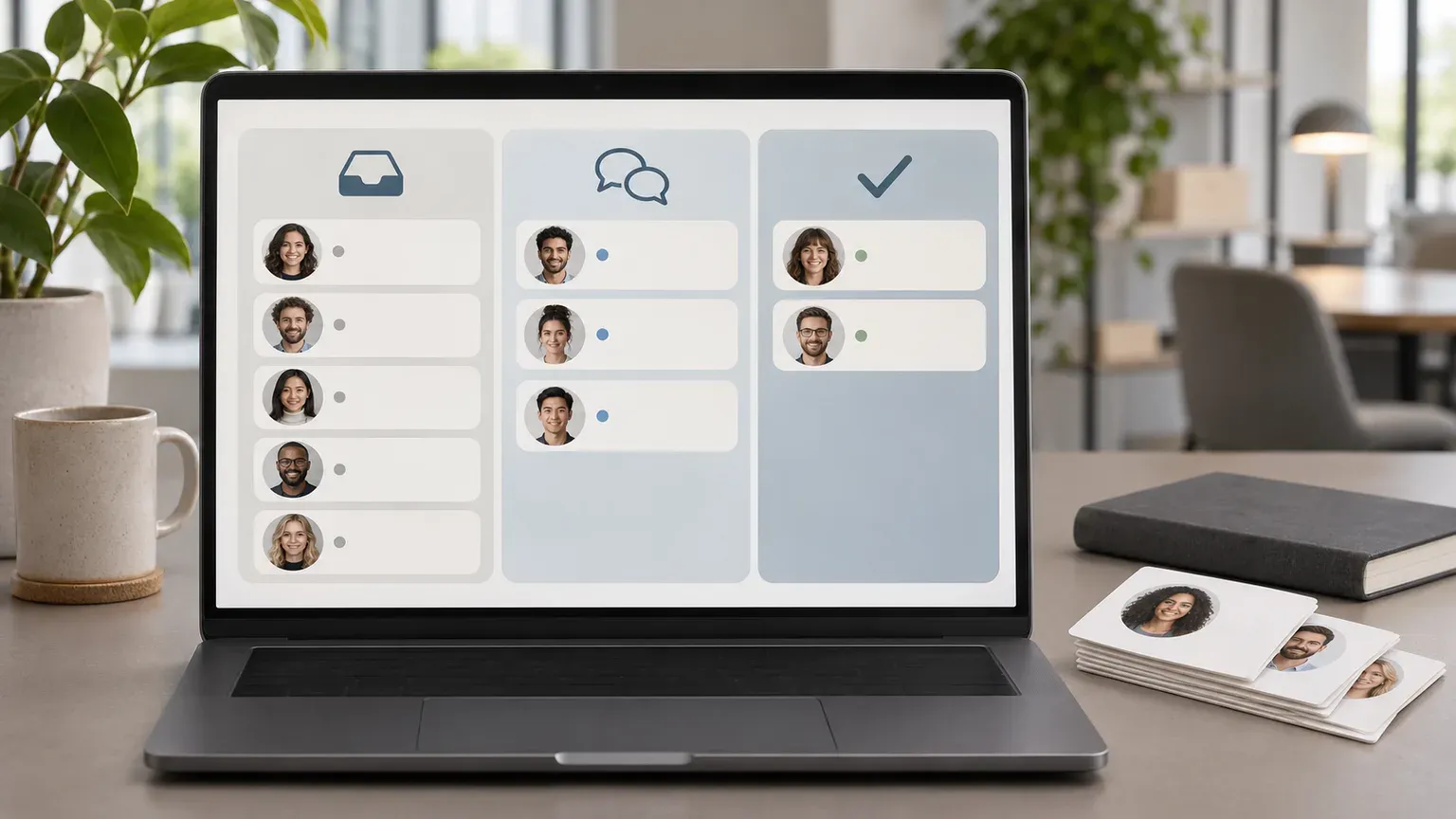

Your resume might fit a job well, but unclear formatting can bury your qualifications in an applicant tracking system. These tools organize applications, and some add screening or ranking features, depending on the system and the hiring team’s settings. This guide covers how ATS tracking works and how to make your resume easier for software to parse and recruiters to read.
TLDR:
-
ATS software parses resumes into searchable fields; some systems also rank candidates for recruiters.
-
Full content-based rejection is uncommon, but employer eligibility rules can reject applications without human review.
-
Use standard headers, single-column layouts, and exact job description keywords.
-
Free checkers flag missing keywords and formatting issues, but scores don’t guarantee recruiter review.
-
Some tools pair a free ATS with unlimited jobs and paid fractional recruiting support; AI screening may need a paid plan.
What Is ATS Tracking (Understanding the Term)
If you’re searching for “ATS tracking,” you’re likely looking for one of two different things. Job seekers and recruiters typically want information about Applicant Tracking Systems, the software that manages job applications and screens resumes.
This guide focuses on ATS in recruitment: what these systems do, how they screen your resume, and how to optimize your application.
How Applicant Tracking Systems Work
When you submit a resume online, an ATS typically stores and parses it, scanning the document and extracting structured data such as contact information, work history, education, and skills into searchable fields. Automated screening depends on the tool and the hiring team’s settings.
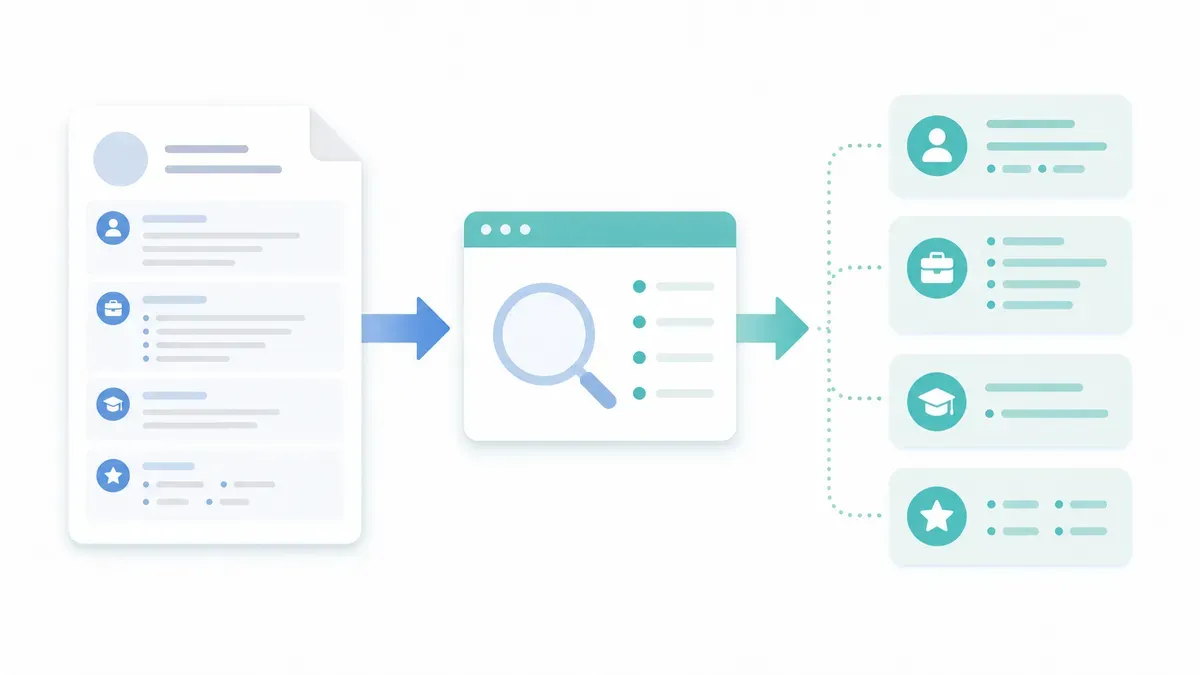
Recruiters can then use keyword searches or matching features to find skills, job titles, certifications, and industry terms relevant to the job. Available features vary by system.
Some systems also offer match scores or rankings, but review practices depend on the employer’s settings. Jobscan’s 2026 ATS Usage Report found a detectable ATS at nearly all Fortune 500 companies, which measures adoption, not automatic rejection. Clear formatting still helps recruiters find your qualifications.
The Truth about ATS Resume Rejection Rates
You may have heard that ATS systems automatically reject most resumes before a person sees them. That claim gets repeated often, but it’s misleading.
In Enhancv’s recruiter interview study, nearly all participants said their systems did not automatically reject resumes for formatting, content, or design. This was a small interview study, not a measure of all employers. It also found that only a small minority had configured content-based rejection rules, and that eligibility (knockout) questions could trigger automatic rejection.
Human recruiters review candidates, though employer-configured eligibility rules can reject some applications without review. If your resume doesn’t get reviewed, possible reasons include application volume, hiring priorities, or the recruiter finding enough qualified candidates.
Core Features of Applicant Tracking Systems
Every ATS differs, but certain capabilities define the category.
Resume Parsing & Candidate Database
The system extracts resume data into searchable fields, letting you search candidates by skills, location, experience, or employer without reopening documents.
Multi-Board Job Distribution
Post once and syndicate to multiple job boards. Dover distributes openings to 50+ job boards, collecting applications in one inbox.
Collaborative Hiring Workflows
Team members leave feedback, view scorecards, and move applicants through hiring stages together with shared, real-time information.
Creating ATS-Friendly Resumes
A few other details matter too. Choose standard fonts such as Arial, Calibri, or Georgia, and use a file format accepted by the employer. For keywords, mirror the job description’s exact language: if a posting says “project management,” use that phrase rather than “managed projects,” and include both acronyms and full terms for credentials (MBA and Master of Business Administration).
| Resume element | Recommended approach | Why it helps |
|---|---|---|
| Section headings | Use familiar labels such as Work Experience, Education, and Skills. | Helps parsing software categorize your information. |
| Layout | Use a single column with chronological work history. | Reduces the risk of content being read in the wrong order. |
| Graphics and tables | Keep qualifications in plain text without logos, photos, or tables. | Reduces the risk of information being skipped or misread. |
| Contact information | Place it in the main document body, outside headers and footers. | Makes contact details easier for the parser to capture. |
| Keywords and credentials | Use relevant wording from the job description when it matches your experience. Include acronyms and full credential names. | Helps recruiters find qualifications through keyword searches. |
The goal is clarity, not gaming the system. Write for the recruiter who reads your resume after it passes the ATS filters.
ATS Resume Scoring and Match Rates
Some ATS tools offer scoring to assist recruiter review across weighted categories: required qualifications (licenses, certifications, degrees), skills listed in the job description, experience match (years in role, industry familiarity, relevant job titles), and education requirements (degree level and field of study). Many systems generate a relative match or ranking that reflects how closely your resume aligns with the role, but recruiters still need to check the results.
A resume checker’s match score is not a universal cutoff for recruiter review. Scores depend on the tool and its criteria, and a checker can help you spot missing descriptions of relevant experience, but its score does not guarantee consideration.
AI Integration in Applicant Tracking Systems
With AI recruiting tools inside an ATS, hiring teams can get help reviewing resumes and coordinating interviews, with human oversight still needed. Mordor Intelligence’s current ATS market report projects continued market growth through 2031 and lists AI-assisted recruiting among the drivers. This is a market forecast, not a guarantee of better hiring results.
AI-assisted screening can recognize related wording, such as connecting “led cross-functional teams” with leadership. Dover’s Premium plan offers applicant scoring against a team’s custom criteria; hiring teams still need to review the results and assess candidates’ qualifications.
October 2026 Update: AI Screening and Hiring Transparency
Hiring transparency around AI screening is a practical concern in 2026. Illinois’ AI employment law took effect on January 1, 2026, prohibiting discriminatory AI use in covered employment decisions and requiring notice of covered AI use. In its June update on Illinois AI hiring rules, Seyfarth reported that the state temporarily withdrew proposed implementation rules, though the underlying legal duties remained in effect.
Recruiters should ask vendors which features use AI, how outputs influence decisions, and what notices apply, while keeping human review in the process. Job seekers can look for AI-use disclosures and ask how automated screening affects their application. These requirements depend on jurisdiction and the tool’s use, not simply whether an employer has an ATS.
ATS Tracking for Job Seekers (Testing Your Resume)
Free ATS resume checkers let you test your application before submitting. Tools like Jobscan and Resume Worded scan your resume against a specific job description and show compatibility scores, missing keywords, and formatting problems.
Upload your resume and paste the target job posting, then add missing skills you actually have and fix formatting issues, using the score as feedback instead of a hiring cutoff.
Common parsing errors include:
-
Scrambled dates, with month and year out of order or split into different fields
-
Missing job titles from unconventional formatting or special characters
-
Misread skills, such as “Java” filed under locations instead of programming languages
Note which resume version you sent to each company and track response rates. If one format generates more interviews, use that template going forward.
Free vs. Paid Applicant Tracking Systems
Free ATS options can include resume parsing, job board posting, candidate pipelines, and team collaboration, though included features vary by provider. Dover’s free plan includes unlimited jobs and users and candidate scheduling links, while its interview scheduling tool and AI applicant scoring require Premium.
Paid enterprise applicant tracking systems add advanced reporting dashboards, custom workflow automation, deeper HRIS integrations, background check connections, and dedicated support, which can suit organizations with high application volume or complex compliance needs.
The choice depends on hiring volume, regulatory requirements, and which features each plan includes.
Benefits of Using an ATS for Employers
Recruiting without an ATS can involve spreadsheets and duplicated effort. A system that fits the team’s process can support more consistent hiring decisions.
Faster Hiring Cycles
Automation can assist with resume screening, scheduling, and status updates, with hiring teams reviewing results. An ATS may shorten time-to-hire when it cuts administrative delays, though results depend on the team’s workflow.
Better Quality Hires
Structured screening can surface candidates who might get overlooked in manual review. Rankings and scorecards can support more consistent comparisons when teams use job-relevant criteria and check results for errors or bias.
Team Collaboration in One Place
Hiring managers, interviewers, and executives can access the same candidate information and feedback in real time. Keeping records current can cut resume forwarding and questions about who already spoke with a candidate.
When Software Alone Isn’t Enough
An ATS handles tracking, applications, pipeline stages, scorecards, and scheduling, but it does not source candidates or run outreach for a hard-to-fill role. Teams with steady inbound applicants and time to review them can often hire well with an ATS alone.
For senior or specialized roles, thin inbound pipelines, or limited recruiting bandwidth, a fractional recruiter can add sourcing, screening, and closing capacity on top of the same ATS pipeline, letting the hiring team see candidate activity in real time and avoid duplicate outreach.
How Dover Fits into Modern ATS Hiring
Hiring teams also need tools that make acting on ATS rankings fast and practical. That’s where Dover comes in.
Dover offers a free applicant tracking system built for founders and small teams who need to hire quickly without learning complex recruiting software. The free plan includes resume search, candidate tracking, scheduling links, and job distribution to 50+ boards, with unlimited jobs and users. AI applicant scoring and the interview scheduling tool require Premium, and scoring supports human review.
When software alone isn’t enough, Dover connects companies to its recruiting marketplace of vetted, fractional recruiters. These recruiters bring startup hiring experience and work as an extension of your team, helping with sourcing, screening, interviews, and closing. Hourly billing is the primary model, with a refundable deposit and no long-term contracts. Retainer and pay-per-hire arrangements are also available by agreement with the recruiter.
Together, Dover’s ATS and recruiter marketplace can tie recruiting costs mainly to time worked instead of a salary-based placement fee.
FAQs
Does ATS software automatically reject resumes before a recruiter sees them?
Full content-based automatic rejection is far less common than widely reported. Research from Enhancv’s recruiter interview study found nearly all participants said their systems did not auto-reject resumes for formatting or content, though employer-configured eligibility (knockout) questions can trigger rejection without human review. If your application goes unreviewed, application volume or hiring priorities are more likely causes than an ATS filtering you out.
What’s the best ATS for a startup that doesn’t have a dedicated recruiting team?
Dover’s free ATS is built for exactly this situation, with unlimited jobs, unlimited users, resume search, candidate tracking, and distribution to 50+ job boards at no cost. If inbound volume is thin or a role is hard to fill, Dover’s recruiter marketplace lets you layer in a fractional recruiter on an hourly basis (no long-term contracts) without switching systems or losing pipeline visibility.
How do I format a resume to pass ATS parsing correctly?
Use a single-column layout, standard section headers like “Work Experience” and “Education,” and plain text without tables, logos, or graphics. Place contact information in the main document body instead of headers or footers, and mirror the exact phrasing from the job description. If the posting says “project management,” use that phrase, and include both acronyms and full credential names (MBA and Master of Business Administration).
Jobscan vs. Resume Worded for ATS resume scoring: which should I use?
Both tools scan your resume against a specific job posting and surface missing keywords and formatting issues, so either works for a baseline check. The more important constraint is how you use the output: treat the match score as a gap-spotting tool, not a hiring cutoff, since scores vary by the tool’s criteria and a high score does not guarantee recruiter review.
When does an ATS alone stop being enough for a hiring team?
An ATS handles pipeline tracking, scorecards, scheduling, and application management well, but it does not source candidates or run outreach. When a role has a thin inbound pipeline, requires senior or specialized talent, or your team lacks bandwidth to actively recruit, an ATS alone tends to surface the same small pool of active applicants. That’s the point where adding sourcing capacity, through a fractional recruiter working inside the same ATS pipeline, tends to move searches that have stalled.
Final Thoughts on ATS technology
ATS tracking systems help organize hiring, but their role in screening varies by tool and team. Understanding parsing and review practices can help job seekers present relevant experience clearly, without guaranteeing interviews. For hiring teams, the value depends on how well the software fits their process and how carefully people review its outputs. Dover’s free ATS paired with access to fractional recruiters is one way to combine software with human support. The useful question is whether a system makes decisions easier to understand, not whether it promises a perfect match.