

Fintech is a highly specialized industry, which can make hiring candidates difficult. New technologies keep appearing, the rules are changing and startups need to find people who can keep up. But as every startup founder knows, they also need to hire these roles fast. While your company is growing, it’s hard to find time to dedicate to hiring. That’s where hiring a recruiter can make a big difference.
TLDR:
-
The World Economic Forum’s Future of Jobs Report 2025 lists fintech engineers among the fastest-growing roles through 2030, a forecast, not a current vacancy count.
-
FinCrimeExpert’s KYC/AML hiring analysis shows specialist networks for compliance searches vary by recruiter.
-
Fractional recruiters can own an ongoing hiring process, while freelance or contract work covers a defined task or search; scope belongs in the engagement agreement.
-
Contingency fees are due on a hire, while retained searches involve upfront payments, per Leonar’s recruitment fee guide.
-
Some services pair a free ATS with paid fractional recruiting support. Software and recruiter fees are separate costs, and an average across all roles is not a fintech quote.
Why Fintech Startups Are Turning to Specialized Recruiters
Fintech engineering sits among the fastest-growing roles projected through 2030 in the World Economic Forum’s Future of Jobs Report 2025, though the report reflects surveyed expectations, not a measure of current job growth. For a startup, the practical question is whether a recruiter has filled the particular engineering, payments, or compliance role on its hiring plan. Fractional recruiting can suit startups that need ongoing hiring support without full-time recruiting headcount, and Dover’s recruiter marketplace offers access to experienced startup recruiters, though fit still depends on the recruiter’s past searches, candidate network, and availability for your role.
The distinction between freelance, contract, and fractional recruiting comes down to scope of responsibility, not simply whether the recruiter works outside your company.
What Does a Fractional Fintech Recruiter Do?
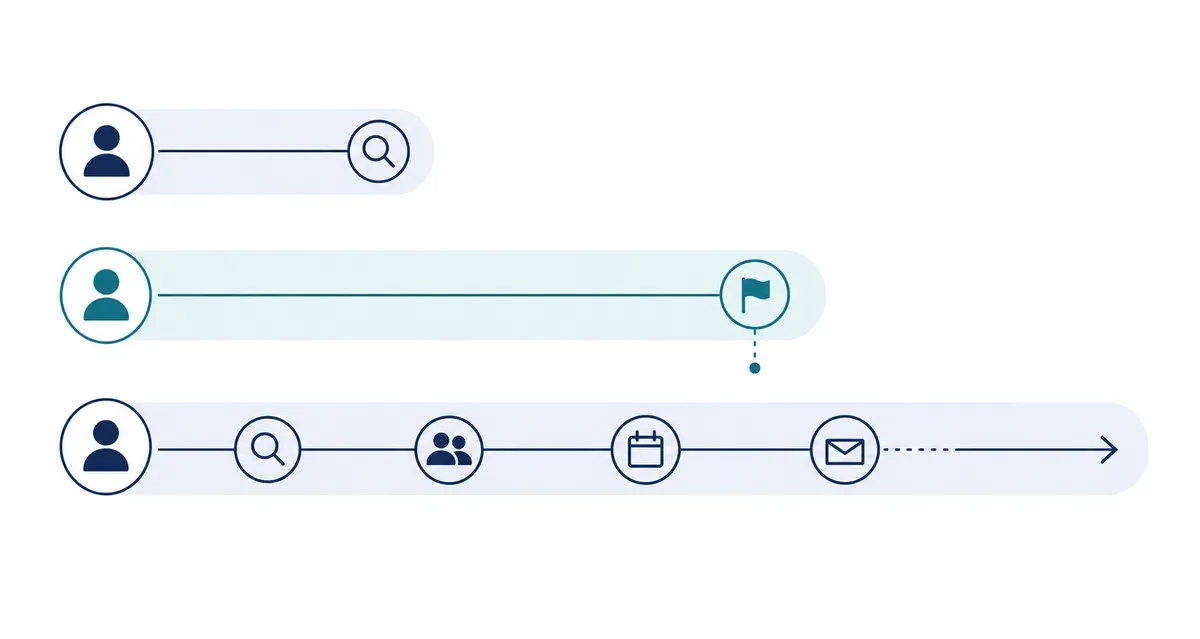
A fractional fintech recruiter takes ongoing responsibility for part or all of your hiring process, unlike a freelancer handling a discrete task or a contractor running a defined search through its end date. Depending on the agreed scope, fractional work can include sourcing, screening, interview coordination, and offers, as described in Dover’s recruiter service details. Experience in blockchain does not automatically imply experience in payments or compliance; each search needs a relevant track record. This arrangement can fit a team whose hiring workload does not yet warrant full-time recruiting headcount.
The Fintech Talent Picture in 2026
AI engineering, cloud operations, and high-performance computing are separate searches. In its 2026 fintech hiring outlook, Selby Jennings reports that AI engineering and cloud operations roles are hard to fill, demand for high-performance computing specialists is growing, and candidates’ use of AI during coding tests makes technical ability harder to assess. The hiring team retains responsibility for technical judgment.
Compliance searches need role-specific screening. FinCrimeExpert’s December 2025 analysis of the KYC/AML talent gap describes competition for specialists in sanctions, investigations, and transaction monitoring. It does not support a sector-wide hiring percentage or a salary comparison with senior engineers.
UK Payments Hiring: Safeguarding Experience Matters in October 2026
For startups with UK payments or e-money businesses, safeguarding experience is a concrete screening criterion this October. The FCA’s safeguarding policy statement set May 7, 2026 as the start date for its Supplementary Regime, strengthening record keeping, reporting, and monitoring requirements for firms in scope. Applicability depends on the firm’s permissions and activities; these are not requirements for every fintech startup.
A recruiter can screen for hands-on safeguarding experience with a concrete question: “Tell me about a discrepancy between your firm’s customer-funds ledger and its safeguarding bank account. How did you investigate it, who did you notify, and what evidence showed it was resolved?” Useful answers explain the records checked, the candidate’s own role, and how the correction was documented. General familiarity with AML or KYC alone would not show this hands-on experience. The firm’s compliance lead or legal adviser remains responsible for interpreting its obligations and assessing the candidate’s technical answer.
What Are the Benefits of Working With a Financial & Technology Recruiter?
Fintech recruiters can offer more than filled roles, including insights, networks and expertise. Beyond simply filling open positions, fintech recruiters have insights and expertise that can supercharge your hiring process. Let’s look at these benefits further:
1. Access to Specialized Fintech Networks
Experienced fintech recruiters may have strong connections in niche talent pools. For example, a recruiter who has filled KYC/AML analyst roles at Series B payments startups may already know candidates with hands-on transaction-monitoring experience.
A preexisting network can also help reach passive candidates: people not actively looking but open to the right opportunity. Their interest and suitability still depend on the role, compensation and company.
2. Can Save Time and Resources
Fintech recruiters can save founders time when their scope covers work the internal team would otherwise handle, though the savings depend on onboarding needs and how much coordination the search requires.
A specialized fintech recruiter can take on sourcing, initial screening, technical assessments, and negotiation, filtering candidates for skills and culture fit so you spend less time on work you might otherwise miss.
That time savings depends on how well the recruiter and your internal team stay in sync. Without a shared system, coordination tends to produce duplicate outreach, stale candidate status, and communication lag, because the recruiter works from one view of the pipeline while your team works from another. A single shared ATS can reduce that gap by keeping pipeline status visible to both sides, provided both teams keep records current.
3. In-Depth Knowledge of Regulatory Compliance and Up-and-Coming Technologies
Fintech startups need a recruiter with a proven track record in fintech roles, since these roles are highly specialized and the recruiter needs to understand the industry as well as the hiring team.
Recruiters with relevant fintech search experience may understand concepts like cybersecurity and compliance requirements such as Anti-Money Laundering (AML) and Know Your Customer (KYC). Their knowledge depends on the roles they have filled; experience in one fintech sector does not imply expertise across all sectors, whether mobile banking, blockchain applications, digital payments or online investing tools.
4. Potential for Faster Hiring and Better Fit
Open roles can put more work on your current team, and delays may lead candidates to accept other offers. Experienced fintech recruiters can help identify and present qualified candidates more quickly when their networks match the role and the hiring team provides timely feedback.
Recruiters with relevant fintech search experience can help assess candidates on industry knowledge, soft skills and cultural fit, while technical leaders judge role-specific capabilities.
5. Insight into Fintech Industry Trends and Skills Demand
The World Economic Forum’s Future of Jobs Report 2025 ranks AI and big data as the fastest-growing skills through 2030, followed by networks and cybersecurity and technological literacy. These are cross-industry projections based on surveyed expectations, not measurements of current fintech skill demand.
Demand for developers, analysts and engineers can vary by specialty and market conditions. A fintech recruiter with recent experience in your target roles can help find candidates whose skills match your current hiring needs, but cannot guarantee that a team will meet future demands.
Fintech Recruiting Options: In-House, Agency, and Fractional
The main decision is whether to pay for ongoing internal capacity, a defined agency search, or fractional recruiting support. The right structure depends on how much hiring work recurs and who will own the process.
| Option | Cost | Flexibility | Best For | Key Drawback |
|---|---|---|---|---|
| In-house recruiter | High (full-time salary + benefits) | Low, full-time commitment | Companies with steady, high-volume hiring needs | Costly and time-consuming to hire; risk of poor fit |
| Recruiting agency | Contingency fees typically run 15-25% of first-year base salary; senior or specialist searches may cost more (Leonar fee guide) | Varies by agreement; contingency pays on hire, retained search includes upfront payments | Teams seeking outside support for a defined search | Salary-based fees grow with compensation; exclusivity and candidate ownership terms need review |
| Fractional fintech recruiter | Dover reports a $4,800 average across all roles, not a fintech quote; hourly, retainer, or pay-per-hire terms (marketplace pricing) | Dover has no long-term contracts; scope, budget, and payment model are agreed with the recruiter | Startups needing ongoing hiring support without full-time recruiting headcount | Specialist fit needs checking; hourly and retainer work can incur costs without a completed hire |
Contingency pays a fee only after a hire; retained search involves upfront payments; hourly support bills for time worked, as Leonar’s agency pricing guide explains. Contract length, exclusivity, cancellation, and candidate ownership vary by agreement.
How Dover’s Free ATS Pairs With Its Recruiter Marketplace
Dover pairs a free ATS with separately paid fractional recruiting support. Its ATS pricing page also lists Premium at $199 per month, and teams and recruiters can work from the same pipeline, though recruiters can also use a client’s existing tools. The marketplace pricing page lists hourly, retainer, and pay-per-hire options with no long-term contracts. The published average covers all roles, not a fixed price or a fintech-specific benchmark, since actual costs depend on the recruiter, payment model, and search complexity.
Dover’s marketplace offers startup recruiter profiles and founder reviews to help teams assess fit, but a fintech search still needs a recruiter with relevant domain experience: a KYC/AML assignment and a machine learning role call for different screening knowledge. Teams can work with one recruiter or trial several, so ownership, scope, and candidate communication need to be agreed at the start.
FAQs
Who makes the final technical and compliance hiring decision?
The hiring team retains the final decision. A recruiter can source candidates, run initial screens, and coordinate assessments, but technical and compliance leaders need to judge role-specific competence. Selby Jennings’ 2026 hiring outlook recommends assessing practical judgment alongside coding tests as candidate use of AI makes test results harder to interpret.
Which terms need checking before a recruiting engagement?
Useful checks include the payment trigger, fee basis, exclusivity, candidate ownership period, cancellation terms, and any replacement guarantee. Leonar’s recruitment fee guide distinguishes contingency fees due on placement from retained-search payments. For hourly or retainer work, the agreed budget and reporting cadence matter because payment buys recruiting capacity without guaranteeing a hire.
Do I need an ATS before bringing in a fractional recruiter?
An ATS tracks candidates, interview stages, and feedback, and some include sourcing or resume-screening tools, but software does not supply a recruiter’s hands-on outreach and judgment. A fractional recruiter supplies that capacity. A recruiter can work from a spreadsheet or a team’s existing tools, so an ATS is not a prerequisite. Without a shared system, the recruiter and the hiring team often work from different views of the pipeline, which can lead to duplicate outreach and outdated candidate status. Dover’s free ATS is built so recruiters and hiring teams can work in the same pipeline, and recruiters can also use a client’s existing tools.
Final Thoughts on Fintech Recruiting in 2026
The recruiting choice depends on how much work recurs, which skills the search requires, and who will own the pipeline. A steady workload may support an in-house recruiter, a defined search may suit an agency, and variable demand may fit fractional support. Dover’s marketplace model offers hourly, retainer, and pay-per-hire arrangements alongside a free ATS, though its average across all roles is just context. A fintech hiring budget still depends on scope and agreed terms.